

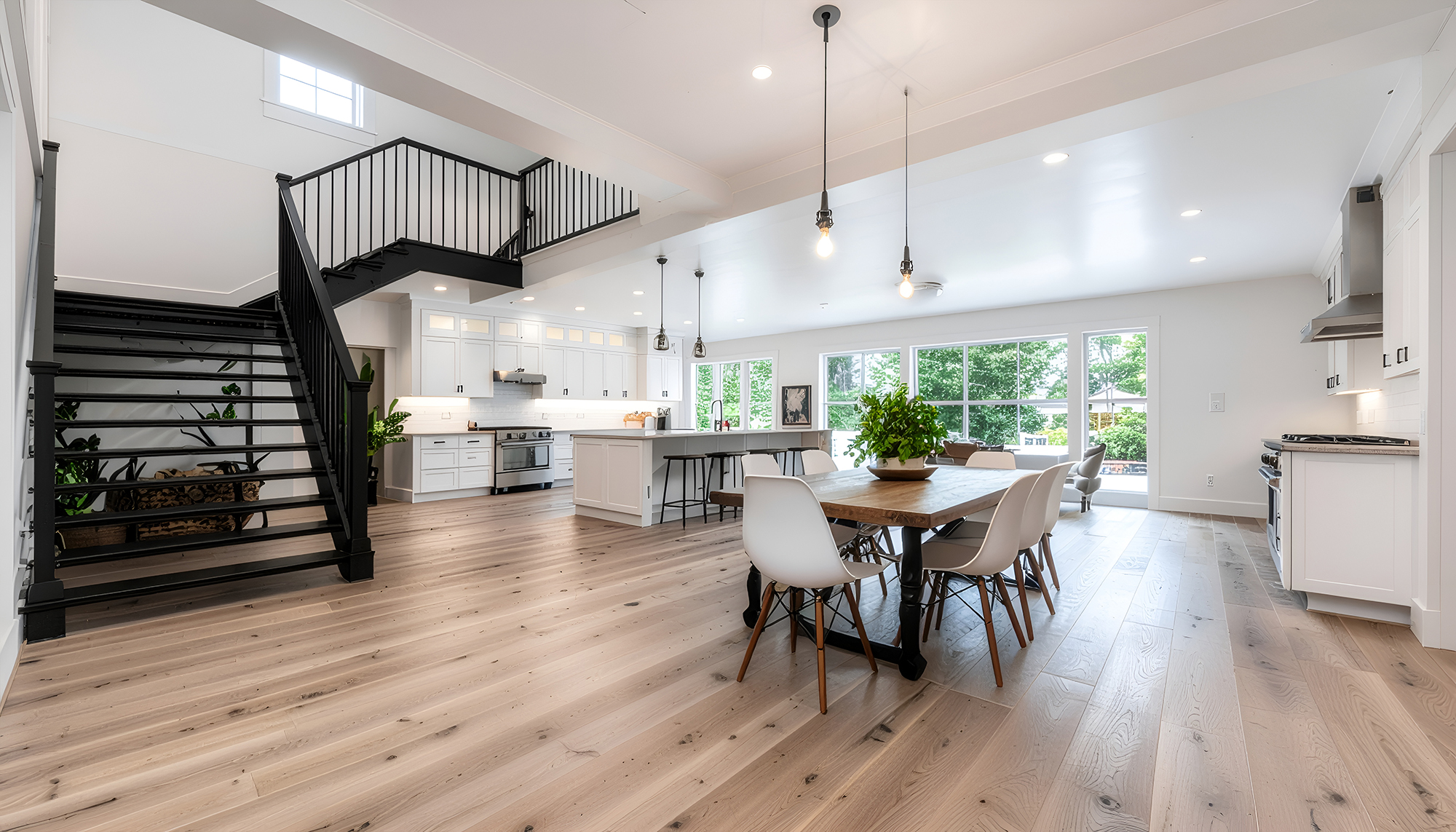
Choosing Hardwood Flooring That Fits the Way Your Family Lives
Hardwood flooring has a way of making a house feel established and welcoming. Its natural grain, subtle color variation, and distinctive character can complement everything from traditional interiors to modern renovations. For homeowners in Fort Mill, South Carolina, and Waxhaw, North Carolina, hardwood can be an appealing choice when updating a living room, dining area, bedroom, or other space where natural materials are an important part of the design.
However, choosing hardwood for a busy household involves more than finding a beautiful color. Children, pets, frequent visitors, moving furniture, and everyday foot traffic all influence how a floor will look over time. The wood species, finish, construction, plank design, and installation conditions can affect both the appearance and the care the floor requires.
Rather than searching for a floor that will never show a mark, focus on finding one whose natural character suits your household. Understanding the differences between hardwood options can help you make a more informed decision and establish realistic expectations for long-term maintenance.
Start With the Way Each Room Is Used
Before comparing wood species or stain colors, think about the rooms where you plan to install hardwood. A formal dining room may experience occasional concentrated activity, while a family room may be used throughout the day. Hallways and entrances often see more foot traffic, and areas around dining chairs may experience repeated movement.
These differences should influence your selection. A floor intended for a quieter bedroom may not need the same visual considerations as a busy main living area. In a high-traffic room, you may prefer a finish and grain pattern that make minor changes in appearance less distracting. In a more formal space, the natural variation of the wood may be a central part of the design.
Consider your household's habits as well. Do pets frequently move between the yard and the living room? Are children likely to play on the floor? Do you regularly entertain guests? Does the room receive direct sunlight for much of the day? These questions can help you identify which product features deserve the most attention.
It is also useful to consider how long you intend to remain in the home. If you want flooring that will complement several future decorating changes, a balanced wood tone and a versatile finish may be preferable to a color that works only with your current furniture.
Understand the Differences Between Wood Species
Different wood species have distinct grain patterns, colors, and physical properties. Oak is widely appreciated for its recognizable grain and versatility across many interior styles. Maple often has a more subtle grain appearance, while hickory can display stronger variation in color and pattern. Other species offer their own distinctive looks and characteristics.
Hardness can be one useful factor when comparing wood species, but it does not tell the whole story. A harder wood may resist certain forms of indentation better than a softer species, yet the finish, construction, installation, and type of impact all influence how a floor performs. Surface scratches can occur even on relatively hard wood.
Natural grain variation also affects how a floor appears as it ages. Some woods have consistent patterns, while others contain noticeable differences between boards. If you prefer a uniform look, choose samples with a grain character that matches your expectations. If you enjoy a more organic appearance, greater variation may add depth and individuality to the room.
When comparing samples, look at several boards together rather than judging a single piece. Hardwood is a natural material, and individual boards may differ in tone and grain. A larger view gives you a better sense of how those variations will contribute to the finished floor.
Choose Between Solid and Engineered Hardwood
Hardwood flooring generally includes solid and engineered options. Solid hardwood is made from a single piece of wood, while engineered hardwood uses a real wood surface layer attached to a constructed core. Both can provide the authentic appearance of wood, but they differ in construction and installation requirements.
Solid hardwood may be suitable for certain subfloors and building conditions, provided the installation requirements are met. Engineered hardwood can offer additional flexibility for some environments because its layered construction is designed to improve dimensional stability compared with solid wood under changing conditions. That does not make every engineered product suitable for every room or moisture condition.
In the Fort Mill and Waxhaw area, seasonal changes in temperature and humidity make it important to consider the building's indoor conditions. Wood naturally responds to changes in moisture, and unsuitable conditions may contribute to gaps, expansion, contraction, or other movement. The product's construction, installation method, subfloor, and environmental requirements all matter.
Before purchasing, ask which construction is approved for your room and subfloor. Confirm whether the installation requires moisture testing, specific underlayment, acclimation, or other preparation. The manufacturer's instructions should guide the decision rather than assuming that one type of hardwood works in every home.
Pick a Finish That Works With Everyday Wear
The finish influences the way hardwood looks and how its surface responds to normal use. Different finishes create different levels of sheen, from more reflective appearances to softer, lower-sheen looks. The right option depends on your design preferences and how much attention you want the floor to draw.
A glossy finish can make the surface appear polished and formal, but reflections may make certain surface marks more noticeable under strong lighting. A lower-sheen finish may create a more relaxed appearance and can be a useful choice for households that prefer a less reflective surface. However, sheen alone does not determine durability or scratch resistance.
Ask about the finish system used on the specific product, including its maintenance requirements and warranty conditions. Some hardwood floors are designed for particular cleaning products or maintenance procedures. Using wax, oil soap, abrasive cleaners, or other unapproved products can affect the finish or interfere with future care.
Finish color also influences the room. Natural or lightly stained wood can highlight the grain, while medium brown tones may add warmth. Darker stains can create a dramatic contrast with lighter walls and furnishings. When choosing a stain, remember that the same color can look different across wood species because the underlying grain and natural tone affect the final result.
Choose a Color That Works With Pets and Children
Families sometimes assume that the lightest or darkest hardwood will be the easiest to maintain, but visibility depends on several factors. Dust, pet hair, tracked-in dirt, scratches, and finish wear may stand out differently depending on the floor's color, grain, and sheen. A medium tone with natural variation may provide a balanced visual appearance in some homes.
If pets are part of the household, consider how their nails, toys, food bowls, and movement affect the floor. Keep nails trimmed appropriately, clean up grit brought inside, and use protective pads beneath furniture. Place mats near entryways and pet feeding areas, making sure that the mats are compatible with the finish and do not trap moisture against the wood.
For families with young children, consider where spills are most likely to occur. Wipe up water and other liquids promptly, especially around kitchens, dining areas, and exterior doors. Avoid leaving damp towels, wet shoes, or spilled drinks on the floor for extended periods.
Hardwood develops signs of use over time, and small marks are not necessarily evidence that the floor has failed. Natural wood has a character that changes with use and exposure. The goal is to select a floor whose appearance you enjoy and then follow a care routine that protects it as well as reasonably possible.
Think Carefully About Plank Width and Grain
Plank width influences the overall character of a room. Wider planks can create a more expansive visual effect with fewer seams, while narrower boards may suggest a more traditional style. Both can work beautifully, depending on the room's proportions and the architectural details of the home.
Grain and board variation also matter. A floor with strong variation can become a visual feature in a room with simple furnishings and understated colors. A more consistent grain pattern may suit an interior where cabinetry, artwork, or furniture already provides substantial visual interest.
Before making a final decision, view samples beside your existing trim, doors, cabinetry, and furniture. Pay attention to undertones. A floor with a warm undertone may clash with cooler gray finishes if the colors are not balanced carefully. Conversely, a well-coordinated palette can make the entire room feel more deliberate.
Think about the direction in which the boards will run, too. The layout should work with the room's shape, light sources, doorways, and installation requirements. If hardwood will continue into multiple connected rooms, plan the transitions and board direction before installation begins.
Protect Hardwood From Moisture and Humidity Changes
Wood responds naturally to moisture in the surrounding environment. As indoor conditions change, the boards may expand or contract. Significant or prolonged changes can contribute to gaps, cupping, swelling, or other issues, depending on the flooring and building conditions.
Follow the manufacturer's recommended temperature and relative humidity range. Where appropriate, use the home's heating, cooling, and humidity-control systems to help maintain suitable indoor conditions. Pay particular attention to crawlspaces, concrete slabs, exterior doors, and rooms where plumbing leaks could affect the floor.
Moisture assessment is an important part of planning a hardwood installation. A subfloor that looks dry may still have conditions that need to be addressed. Follow the product's moisture-testing requirements and installation guidance, and resolve any known moisture problems before laying the new floor.
Be cautious about installing hardwood in areas exposed to recurring water or excessive moisture. A finish that protects the surface during ordinary use does not make wood waterproof. Kitchens and other rooms may be suitable for some hardwood products when installed and maintained correctly, but the manufacturer's application guidance should determine the choice.
Build a Maintenance Routine That Preserves the Finish
Regular dry cleaning is one of the simplest ways to care for hardwood. Sweep with a soft-bristle broom or use a suitable vacuum attachment to remove dust, sand, and grit. These particles can become abrasive when they are repeatedly moved across the floor by foot traffic.
For routine cleaning, use a product approved for the flooring's finish and follow the manufacturer's directions. A lightly damp microfiber mop may be appropriate for some products, but avoid leaving standing water on the surface. Steam cleaning and aggressive wet-mopping methods should not be used unless the manufacturer specifically permits them.
Protect furniture legs with suitable pads and replace them when they become worn or collect grit. Lift heavy furniture rather than dragging it across the floor. Consider protective mats beneath chairs where repeated movement could cause wear, ensuring that the materials are compatible with the flooring finish.
Sunlight can also influence hardwood's appearance over time. Depending on the species and finish, the color may change with exposure. Window coverings can help manage direct sunlight, and moving rugs occasionally may reduce noticeable differences between exposed and covered areas.
Know When to Seek Professional Advice
Some surface marks are part of normal household use, while other changes may indicate a problem that needs attention. Persistent discoloration, raised board edges, unusual gaps, cupping, or suspected water damage deserve a closer look. Do not assume that sanding or applying a new finish will resolve the underlying cause.
The possibility of refinishing depends on the flooring's construction, the thickness of the remaining wood layer, the condition of the floor, and the manufacturer's limitations. Solid hardwood and engineered hardwood can have different refinishing capabilities. A professional assessment can help determine whether a floor needs routine care, localized repair, or a more extensive solution.
If you are renovating an older home, inspect the existing floor before deciding whether to replace it. The current surface may have characteristics worth preserving, or the underlying structure may require attention before a new product is installed. Understanding the condition of the space helps you make a better-informed decision.
Explore Hardwood Flooring for Your Home
Choosing hardwood is a balance between natural beauty, room conditions, maintenance expectations, and the way your household uses its space. Consider the wood species, finish, construction, color, and installation requirements together rather than selecting a product on appearance alone.
Browse the available options on the hardwood flooring page to explore styles for your project. If you are comparing hardwood with another wood-inspired surface, the luxury vinyl flooring page provides another option to consider for suitable rooms.
For assistance with your flooring plans, visit the Flooring Clearance Center contact page. Whether you are refreshing a family room in Fort Mill or planning a hardwood update in Waxhaw, selecting a floor that fits your lifestyle and understanding how to care for it can help you enjoy its natural character for years to come.


