

Turn an Underused Room Into a More Functional Space With Laminate Flooring
Many homes have a room that never quite reaches its potential. It might be a spare bedroom filled with storage boxes, a bonus room used only during the holidays, or a home office that still feels like an unfinished afterthought. With the right flooring and a clear plan for how the room will be used, that overlooked space can become one of the most useful areas of the house.
For homeowners in Fort Mill, South Carolina, and Waxhaw, North Carolina, laminate flooring is an option worth considering when updating a bonus room, study, hobby room, or other interior space. It offers wood-inspired designs that can complement many decorating styles, making it possible to create a polished look without choosing natural hardwood for every project.
The best flooring choice depends on the room's location, expected traffic, moisture conditions, furniture, and budget. Laminate can be a practical fit for many above-grade living spaces, but it is important to understand how the material works, what its water-resistance rating actually means, and how to prepare the surface beneath it.
Start by Deciding What the Room Needs to Do
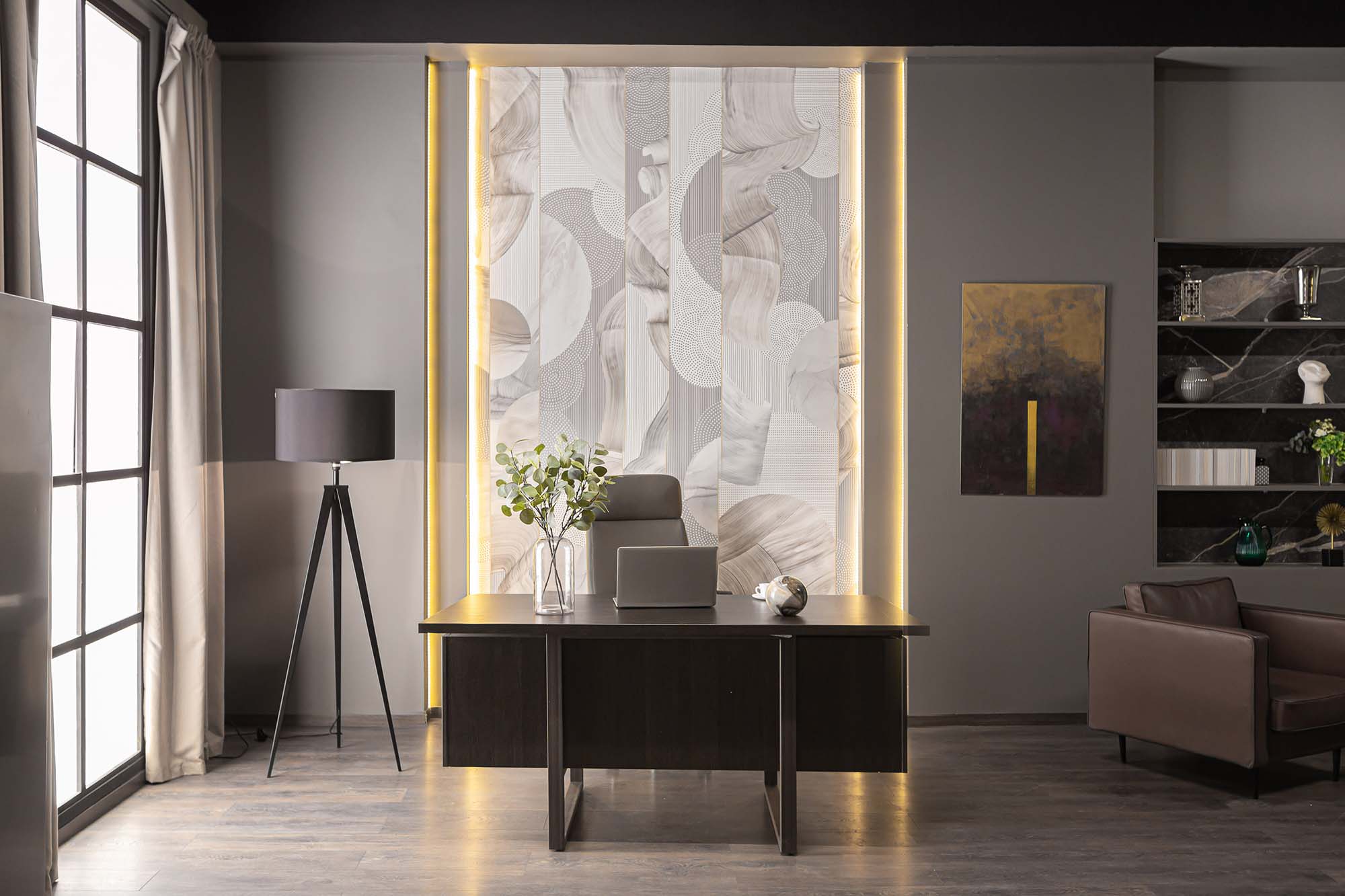
Before choosing a flooring color, think about how the room will function. A home office may need space for a desk, rolling chair, bookcase, and storage cabinets. A bonus room might become a television lounge, playroom, workout space, or guest retreat. Each use creates different demands on the floor.
In a home office, consider the area beneath the desk and chair. Repeated rolling movement can wear or mark certain flooring surfaces, so check the product's suitability and use a chair mat or appropriate soft casters if recommended. Furniture pads can help prevent scratches when chairs, desks, or storage units are moved.
A playroom may experience dropped toys, craft supplies, and frequent movement. Laminate's hard surface can be convenient to sweep, but it will not provide the same cushioning as carpet. A suitable area rug can add comfort to a reading corner or play zone without requiring the entire room to use a soft flooring material.
If the room is used as a guest bedroom, visual warmth and coordination with existing furniture may be the main priorities. If it is a workout space, confirm that the flooring and any protective mats are appropriate for the equipment, concentrated weight, and potential impact involved. Heavy exercise machines may require additional consideration before installation.
Why Homeowners Consider Laminate
Laminate flooring uses a decorative surface designed to reproduce the appearance of materials such as wood or stone. Its layered construction typically includes a wear surface, a printed design layer, a core, and a backing layer. Exact construction varies between products, so the manufacturer's specifications should guide your selection.
One of laminate's main attractions is the range of visual options. You can find designs inspired by pale oak, warm brown timber, deeper wood tones, and other finishes. This makes laminate a useful option when you want a coordinated interior or need to refresh a room without redesigning every other feature.
Laminate may also appeal to homeowners who want a wood-inspired appearance at a different price point from natural hardwood. The overall project cost still depends on the product, room size, subfloor preparation, underlayment requirements, transitions, and installation. Compare the complete project rather than relying on the material price alone.
Another consideration is maintenance. Many laminate floors can be cleaned with regular sweeping or vacuuming and carefully controlled damp cleaning, provided the manufacturer allows it. Because products differ in their moisture resistance and cleaning requirements, the correct routine should always come from the flooring's care instructions.
Choose a Finish That Makes the Room Feel Intentional
A bonus room or home office should feel like part of the house, not a space that was finished separately from everything else. Flooring can help create that connection. If the rest of the home features warm wood tones, a complementary laminate finish can extend the same feeling into the new room. If the main living areas use lighter colors, a pale wood-inspired design may help preserve a bright, open appearance.
Consider the room's natural light before choosing a color. A room with small windows or limited daylight may benefit from a lighter finish, while a larger, brighter space can accommodate medium or darker tones. However, lighter is not automatically better. The floor should work with the walls, trim, furniture, and purpose of the room.
For a home office, a balanced neutral floor can make it easier to coordinate a desk, shelving, and office chair. In a television room, a warmer tone may help the space feel relaxed. For a guest room, choose a finish that works with existing bedding and furniture so the room can be updated gradually without requiring a complete redesign.
Whenever possible, bring samples into the room and view them under both natural and artificial light. Place the sample beside furniture and trim, and look at it from different angles. A floor that appears neutral in a showroom may have warmer or cooler undertones in your home.
Understand Laminate's Relationship With Moisture
Moisture is an important factor when choosing laminate. Traditional laminate products can be vulnerable to water entering joints or reaching the core, potentially causing swelling or other damage. Some modern products offer enhanced water resistance, but performance varies and no product should be treated as suitable for every wet condition.
Before installing laminate in a bonus room, determine whether it is above grade, below grade, or located near a source of moisture. A room over a dry, properly prepared subfloor presents different considerations from a basement or an area with a history of dampness. Check the manufacturer's approved applications and moisture-testing requirements before making a decision.
If the room is near a bathroom, laundry area, or exterior entrance, consider the likelihood of spills, wet shoes, and water intrusion. Clean up spills promptly and avoid leaving wet items on the floor. If moisture has been a recurring problem, resolve its source before installing new flooring.
Do not assume that a water-resistant label makes laminate waterproof under all circumstances. Read the warranty and installation instructions to understand the limits, including how long spills may remain on the surface, which rooms are approved, and what conditions may void coverage.
Prepare the Subfloor Before the New Floor Goes Down
The appearance of the finished floor depends partly on what lies beneath it. Laminate generally requires a clean, stable, and sufficiently flat subfloor. Uneven areas may cause movement, noise, gaps, or stress on the locking joints. Dust and debris can also interfere with the installation.
During a renovation, removing old carpet or another floor covering may reveal damage that was not visible beforehand. The subfloor may need repairs, leveling, cleaning, or moisture assessment. Addressing these issues before installation can help reduce the likelihood of future problems.
Underlayment requirements differ by laminate product and subfloor type. Some products have an attached backing, while others require a separate underlayment. Adding an extra layer without checking the manufacturer's instructions can affect the performance of the locking system or conflict with warranty requirements.
Expansion clearances around the room are also important for many floating laminate installations. The floor needs to be installed according to the specified perimeter gaps and transition requirements. Fixed cabinets, doorways, and adjoining flooring should be planned before work begins.
Make Room for Furniture Without Damaging the Floor
Once the laminate is installed, protect it from avoidable damage. Place felt pads under chair and table legs, and inspect them regularly to make sure grit has not become trapped underneath. When moving a heavy bookcase or desk, lift the furniture where practical or use suitable moving equipment rather than dragging it over the surface.
For a home office, check the wheels on your desk chair and consider a protective mat if the product instructions recommend one. For a bonus room, use appropriate pads under storage units and entertainment furniture. Heavy objects should be moved carefully, especially when they have narrow feet that concentrate weight in a small area.
Keep abrasive debris under control by vacuuming or sweeping regularly. Use an attachment designed for hard floors and avoid aggressive brushes or cleaning tools that may scratch the surface. Follow the approved cleaning instructions and do not use steam or wet-mopping methods unless the manufacturer specifically permits them.
Area rugs can add warmth and define a space, but the rug and pad should be compatible with the flooring. Check that the pad will not discolor the surface and that the rug does not trap moisture. A rug can make a reading corner more comfortable while helping the room feel more finished.
Consider How Laminate Fits Into the Rest of Your Home
A bonus room may connect to a hallway, staircase, or main living area. Before choosing a product, think about how the new flooring will meet those surfaces. Matching the exact color is not always necessary; coordinating the undertones and overall style can be enough to create a natural transition.
If the adjoining space has carpet, consider the height difference and the transition detail required. If it has luxury vinyl or hardwood, compare the colors in the same lighting and make sure the planned transition is appropriate for both materials. Avoid choosing a floor solely because it looks similar in an online photograph.
Staircases require particular attention. A laminate plank used on a room's flat surface is not automatically suitable for stair treads. Stair applications need approved materials, secure installation, and appropriate nosing or edge details. Confirm the correct system before attempting to continue the same look onto stairs.
Planning these connections in advance can help the new room feel like a natural extension of the home. It also helps prevent last-minute decisions about transitions, door clearance, and changes in floor height.
Compare Laminate With Other Flooring Options
Laminate is not the only option for a bonus room or home office. Luxury vinyl may be worth considering where water resistance is a major priority, while hardwood offers the distinctive appearance of real wood. Carpet may be preferable when softness, warmth, and sound absorption are especially important.
The right comparison depends on how the room will be used. A study with bookshelves and a desk may suit laminate, while a family room used for sitting on the floor may benefit from carpet or a hard floor paired with a comfortable rug. In an area where spills are frequent, compare the moisture limitations of laminate and luxury vinyl carefully.
Think about maintenance, comfort, product warranty, installation requirements, and the likely cost of future repairs. There is no universal best material for every room, and the lowest initial price does not always translate into the best long-term fit.
Find Laminate Flooring for Your Next Project
Transforming an underused room starts with a clear idea of what you want it to become. Once you understand the room's purpose, moisture conditions, furniture needs, and design preferences, it becomes easier to compare suitable flooring options.
Explore the flooring selections available through Flooring Clearance Center and compare laminate with other products based on your priorities. For additional options, browse the luxury vinyl flooring page and the carpet flooring page to consider different combinations of practicality and comfort.
When you are ready to discuss your project, visit the contact page. Whether you are finishing a bonus room in Fort Mill or creating a dedicated home office in Waxhaw, choosing a floor that suits the room's purpose can help turn unused square footage into a space you enjoy every day.


