

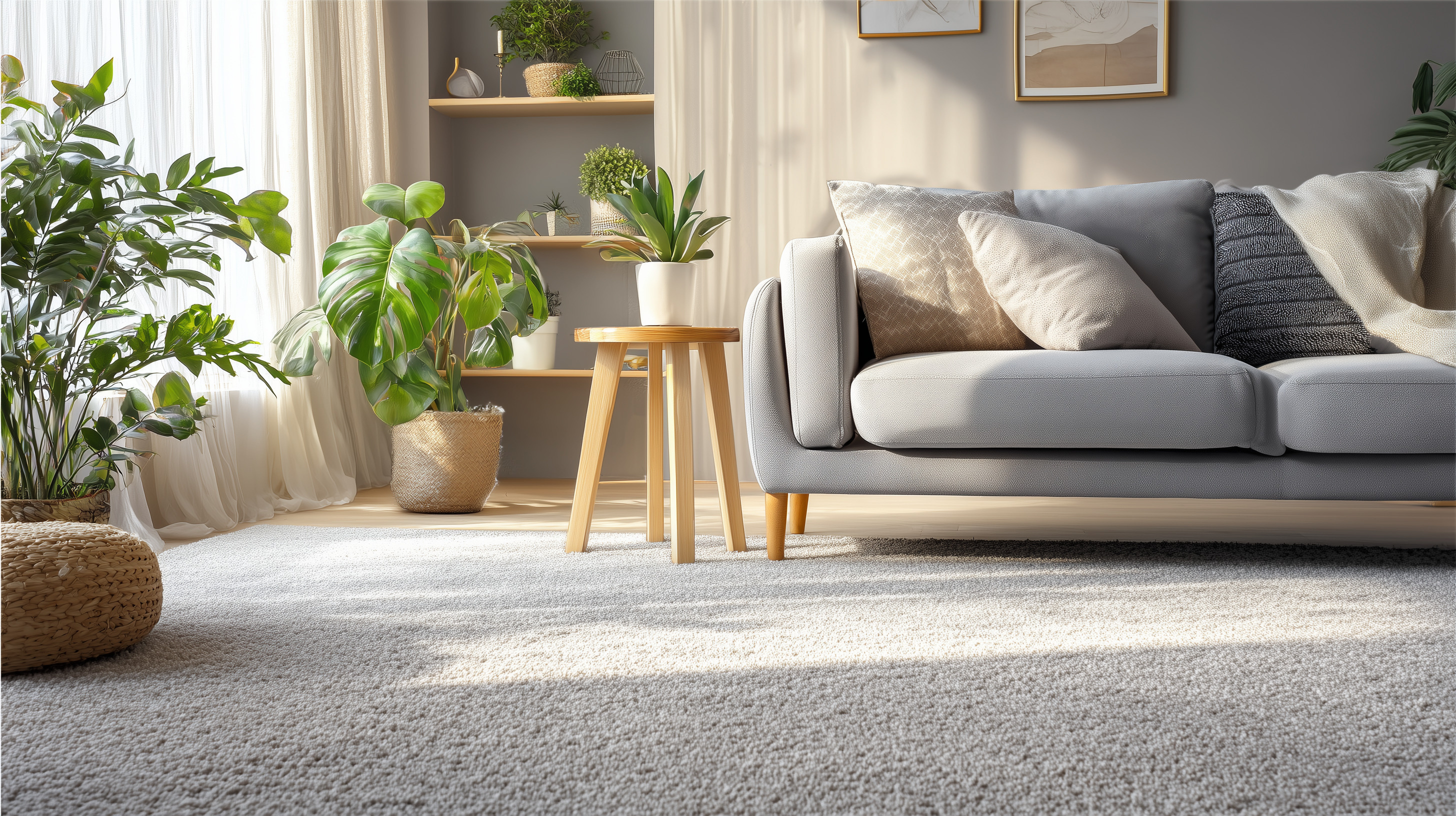
Where Carpet Can Make the Biggest Difference in Your Home
Flooring affects more than the appearance of a room. It influences how a space feels underfoot, how sound travels through the house, and how comfortable it is to relax at the end of the day. While hard-surface flooring is a popular choice for many shared living areas, carpet continues to have an important role in rooms where softness, warmth, and a quieter atmosphere are priorities.
For homeowners in Fort Mill, South Carolina, and Waxhaw, North Carolina, carpet can be a particularly useful option for bedrooms, staircases, upstairs hallways, and bonus rooms. These areas often serve different purposes from kitchens and entryways, so they may benefit from a flooring material selected for comfort rather than a single whole-house approach.
The most successful flooring plans consider how each room is used. A bedroom may need a soft surface for the first steps in the morning, while a staircase needs a secure, well-fitted installation designed for repeated foot traffic. A bonus room may need to accommodate children, guests, or quiet evenings watching movies. Understanding these differences can help you choose a carpet that suits the space.
Why Bedrooms Are a Natural Fit for Carpet
Bedrooms are personal spaces designed for rest and relaxation. Carpet can make the room feel softer and more inviting, particularly when you step out of bed in the morning. Its textile surface can also help absorb some sound, which may be useful in homes where bedrooms are located above busy living areas or near shared hallways.
When choosing bedroom carpet, consider the room's daily routine. A primary bedroom may benefit from a plush, comfortable texture, while a child's room may need a surface that can tolerate regular activity and straightforward cleaning. A guest bedroom may be used less frequently, but selecting a durable, easy-to-maintain option can still be worthwhile.
Color should be considered alongside the room's walls, bedding, furniture, and natural light. Light neutrals can create a calm, airy atmosphere, while medium tones may provide a little more visual depth. Patterned carpet can introduce character without requiring bold paint or decorative accessories. For a room with colorful bedding or artwork, a more understated carpet may help balance the overall design.
Texture also affects the finished appearance. A cut-pile carpet can offer a soft, inviting feel, while looped or textured styles can create a more structured look. Construction, fiber type, density, and pile height all influence how a particular carpet performs, so compare samples rather than choosing by color alone.
Choose Carpet for the Way Your Family Uses the Stairs
Staircases connect the different levels of a home, but they can be challenging to cover because the surface experiences repeated movement and the edges require careful installation. Carpet can soften the appearance of a staircase and provide a more comfortable surface than some hard materials. The quality of the installation is especially important in this location.
Carpet on stairs should fit securely without loose sections, ripples, or exposed edges that could catch a foot. The selected carpet must be suitable for the staircase, and the installer should use the appropriate padding, fastening method, and edge details for the specific application. A carpet that works well in a bedroom is not automatically the best choice for stairs.
Traffic patterns matter. The center of each tread may experience more wear than the edges, particularly in a busy household. A suitable construction and color can help the stairs maintain a consistent appearance, but no carpet is immune to wear. Regular vacuuming and prompt attention to spots can help preserve the surface.
Think about the staircase's relationship with adjoining floors. If the downstairs living area has hardwood or luxury vinyl and the upstairs hallway is carpeted, choose a carpet color that complements both. A coordinated palette can help the transition look intentional without requiring the materials to match exactly.
Because stair installation involves both appearance and safety, avoid loose runners or improvised fastening methods. If you are replacing an existing stair carpet, have the underlying treads inspected for damage before the new material is installed.
Make a Bonus Room More Comfortable
Bonus rooms often have several possible uses. They may become a family lounge, children's play area, guest space, hobby room, or media room. Carpet can help create a softer atmosphere in spaces where people spend time sitting, stretching out, or playing on the floor.
In a media room, carpet may help absorb some reflected sound and contribute to a more comfortable environment. It will not replace proper acoustic treatment, but it can be part of a room designed for watching movies, listening to music, or gaming. A textured neutral can work well with dark furniture and a television wall, while a lighter shade may suit a multipurpose room that also serves as a workspace.
For a playroom, think about how easily the carpet can be cleaned and how much activity the surface will experience. Children may bring snacks, craft supplies, and toys into the room, so a practical fiber and texture may be more suitable than a delicate, high-pile design. Ask about the manufacturer's cleaning recommendations and whether the carpet is intended for the level of traffic you expect.
If the bonus room doubles as a guest room, choose a color that works with flexible furniture arrangements. A neutral carpet can accommodate a sofa bed, storage furniture, or a desk without requiring a redesign every time the room's purpose changes.
Understand Carpet Fibers Before You Buy
Carpet fibers influence how a product feels, how it responds to daily use, and what type of maintenance it requires. Nylon is commonly chosen for its resilience and suitability for many busy residential spaces. Polyester is available in a broad range of colors and textures and is often considered for its softness and stain-related performance characteristics. Other fiber options have their own benefits and limitations.
Fiber alone does not determine carpet quality. Density, twist, construction, pile height, backing, and padding all contribute to how the finished carpet feels and performs. Two carpets made from the same fiber can behave differently depending on their construction and intended use.
Ask how the carpet is expected to perform in the room where it will be installed. A plush carpet chosen for a quiet bedroom may not be the ideal option for a heavily used staircase. Likewise, a carpet designed for demanding traffic may feel different from a softer style intended primarily for comfort.
Look at samples under your home's lighting and consider how the texture will appear across a larger area. A small sample may not fully reveal the visual effect of a repeated pattern or the way pile direction changes the appearance of the color. If possible, compare multiple samples side by side before making a final selection.
Do Not Overlook Carpet Padding
Padding is an important part of a carpet installation. It influences how the carpet feels underfoot and helps support its performance. The appropriate pad depends on the carpet construction, the room, and the manufacturer's requirements. Thicker padding is not automatically better, particularly for stairs or carpets that require a specific support level.
Using padding that is too soft or too thick for the selected carpet can affect the way the surface feels and may contribute to premature wear. Stair installations often have specific requirements because the carpet must remain secure across the tread and around the nosing. Follow the recommendations for the exact carpet and installation system.
When replacing old carpet, consider the condition of the existing padding and subfloor. Worn, damaged, or unsuitable materials may need to be removed. The underlying surface should be checked for squeaks, loose sections, damage, or other issues before the new carpet is installed.
Ask what is included in the project estimate. Carpet material, padding, removal of existing flooring, disposal, furniture moving, stair work, and subfloor repairs may be treated separately. Understanding the scope in advance can help you compare estimates accurately.
Plan a Cleaning Routine That Fits the Room
Carpet care begins with regular vacuuming. Dust, dirt, and grit can become embedded in the fibers as people walk across the surface. The amount of vacuuming required depends on traffic, household activity, pets, and the carpet's construction.
Spills should be addressed promptly using the cleaning method recommended by the manufacturer. Blotting is generally preferable to vigorous rubbing, which may spread the stain or damage the fibers. Avoid applying a random household cleaner without checking whether it is suitable for the carpet, since some products can cause discoloration or leave residue.
Entry mats can help reduce the amount of dirt brought into the home, even when the main living areas use hard flooring. Remove shoes where practical and keep high-traffic transitions clean. In bedrooms and bonus rooms, rearranging furniture occasionally may help prevent the same areas from receiving all the traffic, provided the furniture can be moved safely.
Professional cleaning may be appropriate periodically, depending on the carpet and household conditions. Follow the manufacturer's guidance about suitable cleaning methods and drying requirements. Excess moisture or inappropriate treatment can affect some carpet backings and padding.
Coordinate Carpet With Hard-Surface Flooring
Many homeowners do not need to choose one flooring material for the entire house. Carpet in bedrooms and on stairs can coexist with luxury vinyl, laminate, or hardwood in the main living areas. This approach allows each room to serve its purpose while keeping the overall design coordinated.
For example, a warm neutral carpet can complement a medium wood-look floor in the hallway. A cooler neutral may work well with a more contemporary hard-surface finish, provided the undertones are compatible. Exact color matching is rarely necessary; the goal is to create a natural relationship between the materials.
Pay attention to transitions between carpet and hard flooring. Differences in height should be handled with suitable transition details, and the edges should be securely finished. Stair landings, bedroom doorways, and upstairs hallways deserve particular attention because these areas connect several surfaces and receive frequent use.
If you are replacing flooring in multiple rooms, it can help to compare all the samples together. A carpet that looks appealing on its own may feel too warm or too cool beside the hard flooring selected for the rest of the house. Viewing the options together makes it easier to establish a consistent palette.
Find Carpet for Your Home in Fort Mill or Waxhaw
The best carpet is one that suits the room's purpose, feels comfortable underfoot, and meets your expectations for maintenance. Bedrooms, staircases, and bonus rooms each have different requirements, so consider traffic, texture, fiber, padding, and installation details before making a choice.
Explore the available options on the carpet flooring page to compare styles for your home. If you are planning a mixed-flooring project, you can also review the luxury vinyl flooring page to explore hard-surface options for connected living areas.
For help with your flooring project, visit the Flooring Clearance Center contact page. Whether you are updating a staircase in Fort Mill or making an upstairs bonus room more comfortable in Waxhaw, a well-chosen carpet can help create a home that feels welcoming and works better for everyday life.


